
Welcome to Goverment Villupuram Medical College - Villupuram

About Us
The Government Villupuram Medical College is an educational institution established in 2010 in Mundiyampakkam village in the Indian state of Tamil Nadu. It's one of the best medical institutions in India. The college accepts 100 MBBS students per year, of which 85 are state quota seats and 15 are from the All India quota. The college also accepts 140 allied health science/paramedical degree students and 130 allied health science/diploma students per year. It is a Medical Council of India (MCI) recognized medical college.
-
Accreditation & Affiliations
This college is affiliated with The Tamil Nadu Dr. MGR Medical University, Guindy, Chennai and the administration is governed by the Directorate of Medical Education, Department of Health & Family Welfare, Government of Tamil Nadu.
-
Courses offered
The college accepts 100 MBBS students per year, of which 85 are state quota seats and 15 are from the All India quota. The college also accepts 140 allied health science/paramedical degree students and 130 allied health science/diploma students per year.
-
Faculties
The college takes pride in its highly qualified and experienced faculty members.The faculty members are involved in various research initiatives, ensuring that students are exposed to cutting-edge developments in their respective fields.
MBBS Students Per Year
Paramedical students Per Year
Diploma students Per Year
Departments
This college is affiliated with The Tamil Nadu Dr. MGR Medical University, Guindy, Chennai and the administration is governed by the Directorate of Medical Education, Department of Health & Family Welfare, Government of Tamil Nadu.
Anaesthesiology
Anaesthesiology is the medical specialty that uses anesthetic medications to prevent pain and ensure safety during medical procedures, encompassing perioperative care before, during, and after surgery, as well as critical care, emergency medicine, and pain management. Anaesthesiologists manage patients' vital functions, assess and optimize their health, and provide post-operative care and pain relief. This specialty includes different types of anesthesia, such as general, regional, and local, and extends to areas like labor analgesia, chronic pain management, and palliative care.
Anatomy
Anatomy is the scientific study of the internal and external structure of organisms, including their cells, tissues, and organs. It involves understanding the organization of these parts and how they relate to each other, historically studied through dissection and currently through various imaging technologies. Anatomy can be divided into gross anatomy, which studies macroscopic (large) structures, and microscopic anatomy (including histology), which examines structures too small to be seen without a microscope.
Biochemistry
Biochemistry is the study of the chemicals and chemistry of living organisms. Biochemists study biomolecules (such as proteins, RNA, DNA, sugars, and lipids), their applications and interactions in the body, and biochemical and metabolic processes.
Community Medicine
Community Medicine is a branch of medicine focused on population health, emphasizing health promotion, disease prevention, and the overall well-being of communities through Primary Health Care strategies. It involves assessing a community's health needs, planning and implementing health programs, and educating the public to prevent disease and promote healthy lifestyles. Key aspects include epidemiology, public health, health education, and health policy, aiming to improve health outcomes for entire populations rather than just individuals.
Dental Surgery
Dental surgery involves a range of surgical procedures to treat conditions of the teeth, gums, and jaw, including procedures like tooth extractions, dental implants, and gum grafts to restore health, function, and aesthetics. Performed by highly trained dentists or oral surgeons, dental surgery can involve local anesthesia or sedation, with post-operative care focusing on pain management, swelling, and proper healing to prevent complications.
Radio Diagnosis
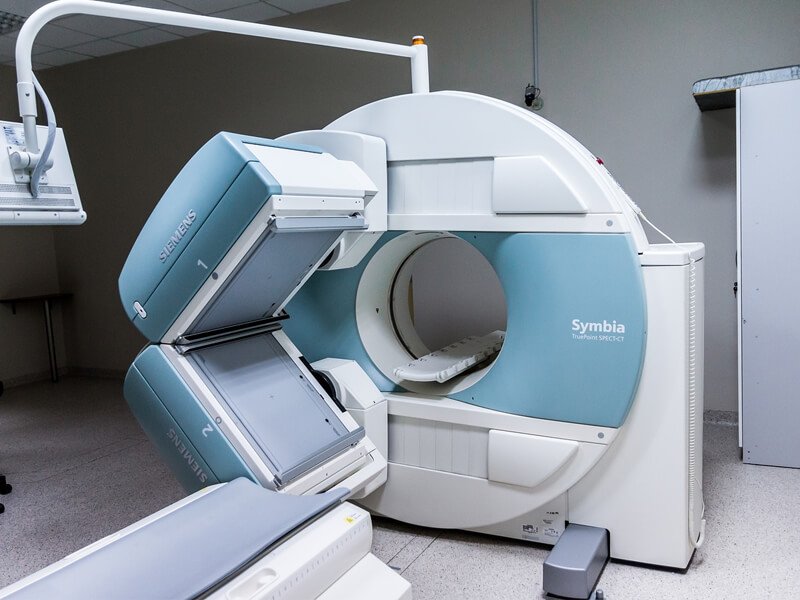
Radio diagnosis, or diagnostic imaging, is the medical specialty that uses non-invasive imaging techniques like X-rays, CT scans, and MRI to create images of the inside of the body to help doctors diagnose, monitor, and treat various medical conditions. These images allow healthcare professionals to identify diseases, injuries, abnormalities, and other internal issues, guiding treatment decisions and improving patient outcomes.
Pharmacology
Pharmacology is the scientific study of drugs and how they interact with biological systems, focusing on a substance's origin, composition, chemical properties, biological effects, therapeutic uses, and toxicology. It is a multidisciplinary field that bridges basic sciences like physiology and biochemistry with medicine and includes concepts such as pharmacokinetics (what the body does to the drug) and pharmacodynamics (what the drug does to the body). The goal of pharmacology is to understand drug actions to ensure safe and effective treatment of diseases.
Dermatology
Dermatology is the medical specialty dedicated to the study, diagnosis, and treatment of conditions affecting the skin, hair, nails, and mucous membranes. A dermatologist is a specialized doctor who provides medical and surgical care for a wide range of issues, including acne, rashes, skin cancers, hair loss, and age-related cosmetic concerns. The field also encompasses cosmetic dermatology, which focuses on improving the appearance of the skin, hair, and nails through various treatments.
ENT
ENT is a medical specialty, short for Ear, Nose, and Throat, that focuses on the diagnosis and treatment of conditions affecting these areas and the related structures of the head and neck. The medical professionals in this field are called otolaryngologists, or ENT doctors. They treat a wide range of conditions, from common issues like ear infections, sinus problems, and hearing loss to more complex problems such as swallowing disorders, sleep apnea, and head and neck tumors.
Obstetrics and Gynaecology
Obstetrics and Gynaecology (O&G) is a dual medical specialty focusing on the health of women and their reproductive systems. Obstetrics specifically deals with pregnancy, childbirth, and the postpartum period, while Gynecology focuses on the overall reproductive health of women, including the diagnosis and treatment of diseases of the female reproductive organs. An OB/GYN is a doctor who specializes in both fields, providing comprehensive care from routine check-ups and contraception to managing complex pregnancies and performing surgeries related to women's reproductive health.
Microbiology
Microbiology is the scientific study of microorganisms, or microbes, which are organisms too small to be seen with the naked eye, including bacteria, viruses, fungi, archaea, and parasites. This field is concerned with the structure, function, and behavior of these organisms, as well as their impact on health, industry, and the environment. Key sub-disciplines include bacteriology (study of bacteria), virology (viruses), mycology (fungi), and parasitology (parasites).
Ophthalmology
Ophthalmologists diagnose and treat conditions affecting a patient's eyes and/or vision. These specially trained physicians offer comprehensive services ranging from routine eye exams in the clinic to corrective laser procedures to interventions for the most complicated and rare eye diseases.
Orthopaedics
Orthopaedics is the medical and surgical specialty focused on the musculoskeletal system, which includes bones, joints, muscles, ligaments, tendons, and nerves. Orthopaedists prevent, diagnose, and treat conditions and injuries to this system using both surgical and non-surgical methods. Common conditions treated include arthritis, sports injuries, fractures, back problems, and tumors, affecting people of all ages from newborns to the elderly.
Paediatrics
Paediatrics, or pediatrics, is the medical specialty that focuses on the health and medical care of infants, children, and adolescents, typically from birth up to age 18. The field aims to reduce infant mortality, control infectious diseases, promote healthy lifestyles, and manage chronic conditions in young people.
Pathology
Pathology is a branch of medicine that involves the scientific study of disease, including its causes, progression, nature, and effects. While most patients will not interact with a pathologist directly, these physicians and scientists are essential to patient care, as their analyses of body tissues and fluids are critical for diagnosis and treatment planning.
Physiology
Physiology is the scientific study of the mechanical, physical, and biochemical functions and mechanisms of a living system. In medicine, it is a foundational science that explains how the body works in a healthy state and what goes wrong when a person gets sick.
Psychiatry
Psychiatry is the branch of medicine focused on the diagnosis, treatment, and prevention of mental, emotional, and behavioral disorders. A psychiatrist is a medical doctor (MD or DO) who specializes in mental health and can assess both the mental and physical aspects of psychological problems.
Radiation Oncology
Radiation oncology is a medical specialty that uses controlled, high-energy radiation to treat cancer and, in some cases, certain benign diseases. It works by damaging the DNA of cancerous cells, which stops them from growing and dividing, eventually killing them.
Respiratory Medicine
Respiratory medicine, also known as pulmonology, is the medical specialty that deals with diseases affecting the respiratory tract. A respiratory physician, or pulmonologist, is a doctor who has completed specialized training to diagnose, treat, and manage lung and airway disorders.
General Medicine
General Medicine, often called Internal Medicine in countries like the US, is a medical specialty focused on the diagnosis, treatment, and prevention of diseases in adults. A physician specializing in this field is known as an internist or general physician. They have broad expertise, allowing them to manage a wide range of illnesses, from chronic conditions like diabetes and hypertension to acute problems.
General Surgery
General Surgery is a medical specialty focusing on a wide range of surgical procedures, particularly those involving the abdominal organs and structures, such as the digestive tract. As one of the broadest surgical fields, general surgeons are trained to manage a variety of conditions, from common ailments to complex, emergency situations.
Gallery
Necessitatibus eius consequatur ex aliquid fuga eum quidem sint consectetur velit



Location
The Government Villupuram Medical College is an educational institution established in 2010 in Mundiyampakkam village in the Indian state of Tamil Nadu. It's one of the best medical institutions in India.